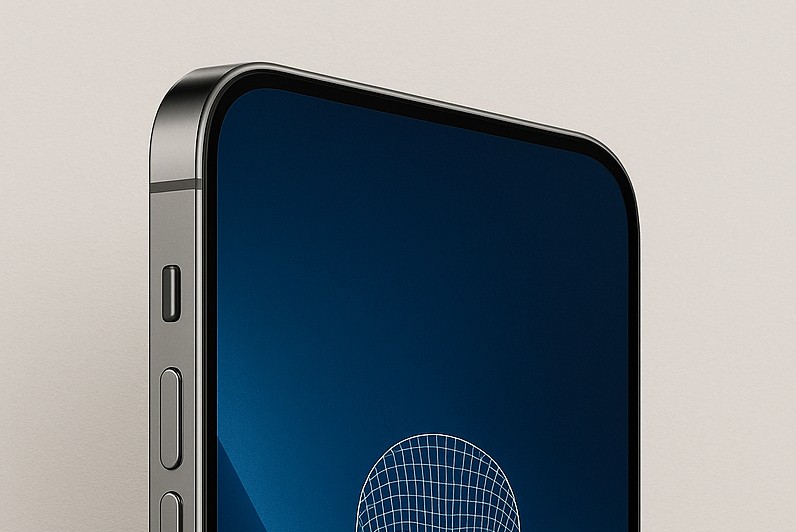
alongxp.com – Imagine looking at a screen and seeing true three-dimensional objects floating in mid-air — objects you can walk around, view from any angle, and interact with, all without wearing any glasses or headsets. This is no longer science fiction. In 2026, holographic displays have moved from laboratory prototypes and expensive niche applications into increasingly practical, commercially available products.
What Exactly Is a True Holographic Display?
There are several technologies currently marketed as “holographic”, but they represent different levels of realism:
| Technology | Glasses-free? | True 3D depth? | Viewing angle | Typical size (2026) | Main applications in 2026 |
|---|---|---|---|---|---|
| Light-field / multi-view | Yes | Good | ~90–120° | 8″ – 86″ | Design, medical, retail, museums |
| Volumetric (spinning LED) | Yes | Excellent | 360° | 20–100 cm diameter | Advertising, events, concerts |
| Laser plasma / aerial | Yes | Very good | ~180° | Small – medium | Luxury retail, high-end events |
| True optical holography | Yes | Perfect | Very wide | Usually small | Art, security, scientific visualization |
| Looking Glass Hololuminescent™ | Yes | Excellent | ~100–120° | 16″ – 86″ | Professional creative work, signage |
| AR glasses + waveguide | No (glasses) | Excellent | Limited | Personal device | Enterprise, military, future consumer AR |
The Breakthrough Moment of 2025–2026
The year 2025–early 2026 will likely be remembered as the period when holographic displays started becoming serious business tools rather than expensive curiosities.
Key milestones that happened or were announced:
- Looking Glass Factory launched the 86-inch Hololuminescent™ Display (priced ~$18,000–$22,000 depending on configuration) — the largest glasses-free light-field display ever mass-produced
- Several automotive Tier-1 suppliers started series production of multi-plane HUDs using light-field technology (BMW, Mercedes, and Chinese EV brands leading)
- Proto and ** HYPERVSN** significantly improved brightness and resolution of volumetric fan displays, making them viable for permanent retail installations
- Swave Photonics demonstrated chip-scale holographic projection prototypes capable of potentially powering future lightweight AR glasses
- Medical institutions in the US, Japan, and Germany began routine use of Looking Glass + DICOM workstations for surgical planning
Real-World Applications Gaining Traction in 2026
- Product Design & Engineering Industrial designers and engineers can finally review complex 3D models at 1:1 scale without VR headsets.
- Medical Visualization Surgeons review patient-specific 3D anatomy before operations; radiologists discuss cases with true depth perception.
- Luxury Retail & Museums High-end brands use mid-air holographic product showcases; museums present artifacts with explanatory 3D animations floating beside real objects.
- Digital Signage & Advertising Large-format holographic video walls appear in airports, shopping malls, and flagship stores.
- Events & Entertainment Holographic MCs, product launches, and even small-scale holographic concerts become premium options.
The Road Ahead (2026–2030 Outlook)
Most industry analysts currently predict the following rough timeline:
- 2026–2027 → Professional & enterprise adoption accelerates (design, medical, retail, automotive)
- 2028–2029 → First serious attempts at consumer tabletop holographic displays (~32–55 inch) priced under $3,000
- 2030+ → Possible integration into premium smartphones/tablets and lightweight holographic AR glasses become realistic
In January 2026 we are still in the early professional adoption phase — but the direction is clear: after decades of promises, holographic display technology has finally started delivering on its long-standing potential.
The dream of truly three-dimensional digital visuals that everyone can see naturally is no longer decades away. For many industries, it’s already becoming part of everyday work in 2026.