
alongxp.com – Artificial intelligence and automation are rapidly transforming the global industrial landscape, and by 2026 their influence is expected to become dominant across multiple sectors. From manufacturing and logistics to energy and heavy industry, intelligent systems are reshaping how companies operate, compete, and innovate. What was once considered a future possibility is now an accelerating reality.
One of the key drivers behind this shift is efficiency. AI-powered systems can analyze massive amounts of data in real time, enabling faster decision-making and more precise control over industrial processes. Automation reduces human error, minimizes downtime, and optimizes production cycles. As industries face rising costs and increasing competition, these advantages are becoming essential rather than optional.
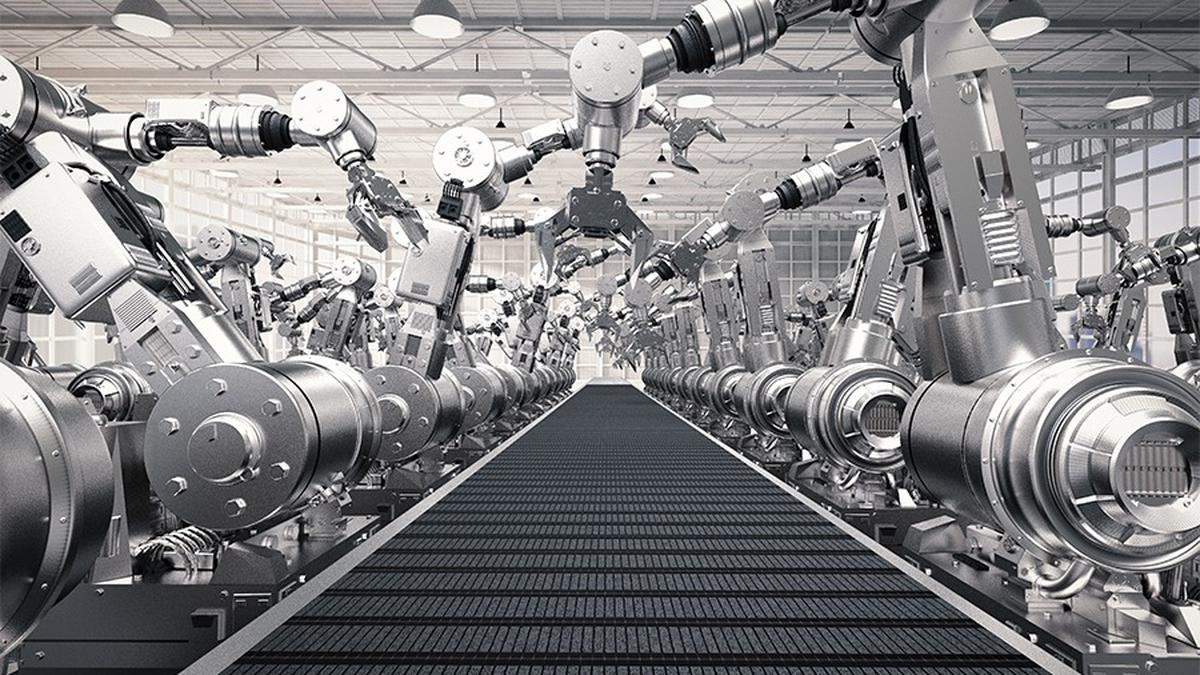
Manufacturing is at the forefront of this transformation. Smart factories equipped with AI-driven robotics, predictive maintenance systems, and automated quality control are redefining productivity standards. Machines are now capable of detecting potential failures before they occur, adjusting operations autonomously, and maintaining consistent output levels. By 2026, such capabilities are expected to become standard practice rather than premium features.
Supply chains are also undergoing a fundamental shift. AI enables more accurate demand forecasting, inventory management, and route optimization. Automated warehouses and autonomous delivery systems are reducing reliance on manual labor while improving speed and reliability. This level of coordination allows companies to respond more effectively to market fluctuations and disruptions.
The energy and resource sectors are increasingly adopting AI to improve sustainability and operational resilience. Automated monitoring systems can optimize energy consumption, reduce waste, and enhance safety in high-risk environments. These technologies support the growing demand for greener and more responsible industrial practices, aligning economic performance with environmental goals.
Despite its many benefits, the rise of AI and automation raises important questions about the workforce. Certain job roles will inevitably change or become obsolete, while new opportunities will emerge in data analysis, system management, and advanced engineering. Companies that invest in reskilling and upskilling their workforce are likely to gain a competitive advantage during this transition.
By 2026, AI and automation will no longer be seen as disruptive forces but as foundational elements of industrial strategy. Businesses that fail to adapt risk falling behind in efficiency, scalability, and innovation. Conversely, those that embrace intelligent automation will be better positioned to navigate uncertainty and drive long-term growth.
The dominance of AI and automation in the industrial sector marks a defining moment in technological evolution. It reflects a broader shift toward smarter, more connected, and more resilient systems that will shape the future of industry for years to come.
Leave a Reply