
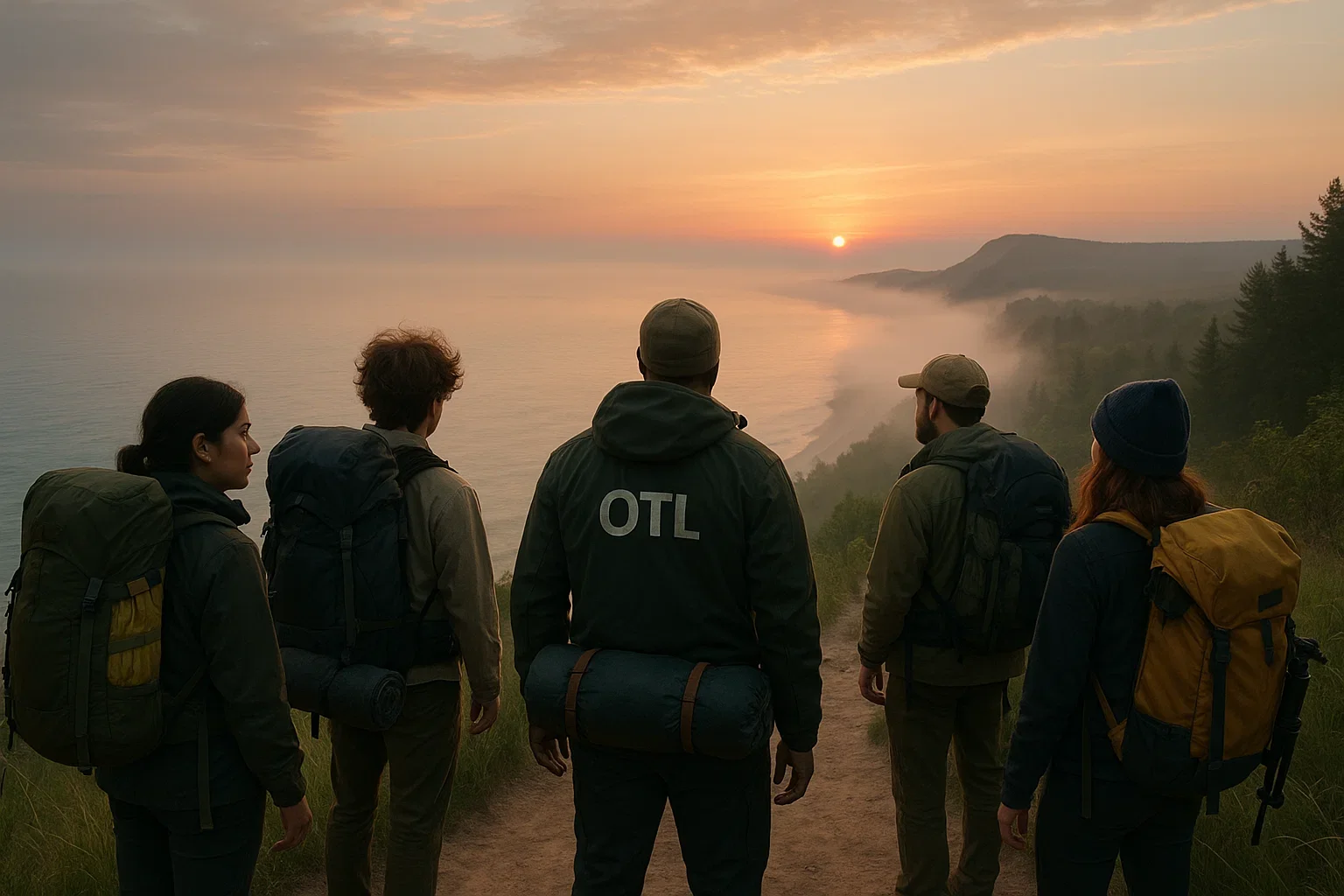
In 2025, wilderness survival is evolving — thanks to a new wave of lightweight, high-tech gear and refined back-to-basics bushcraft skills that make outdoor adventure safer and more accessible than ever before. Modern multi-tools now combine knife, fire-starter, compass and even whistle functions into a single compact device — ideal for emergencies or everyday camp tasks. Portable water-filtration straws and UV purifiers have also surged in popularity; these allow hikers to safely drink from streams on the go, removing up to 99.9% of bacteria without needing bulky equipment or heavy boiling setups.
But no tech can replace core survival skills — and 2025 survivors emphasise the value of classic bushcraft know-how. Building improvised shelters (like leaf-covered debris huts or tarp lean-tos), mastering fire-starting with a ferro rod or magnesium striker, and having the knowledge to source and purify water remain among the top priorities when you’re off-grid. Knowing how to read your surroundings — terrain, weather signals, and natural landmarks — can make the difference between a successful trek and a dangerous situation.
What makes the blend of new gear and traditional skills especially powerful this year is the growing focus on sustainable, responsible outdoor practices. Survival communities now promote “minimal-impact” bushcraft: reusable gear, eco-conscious water collection methods (like solar stills or collected rain), and Leave-No-Trace shelter building. For adventurers — whether seasoned or new — 2025 offers a balanced survival ethos: respect for nature, readiness for unpredictability, and the tools and knowledge to enjoy wilderness safely and responsibly.
Leave a Reply