
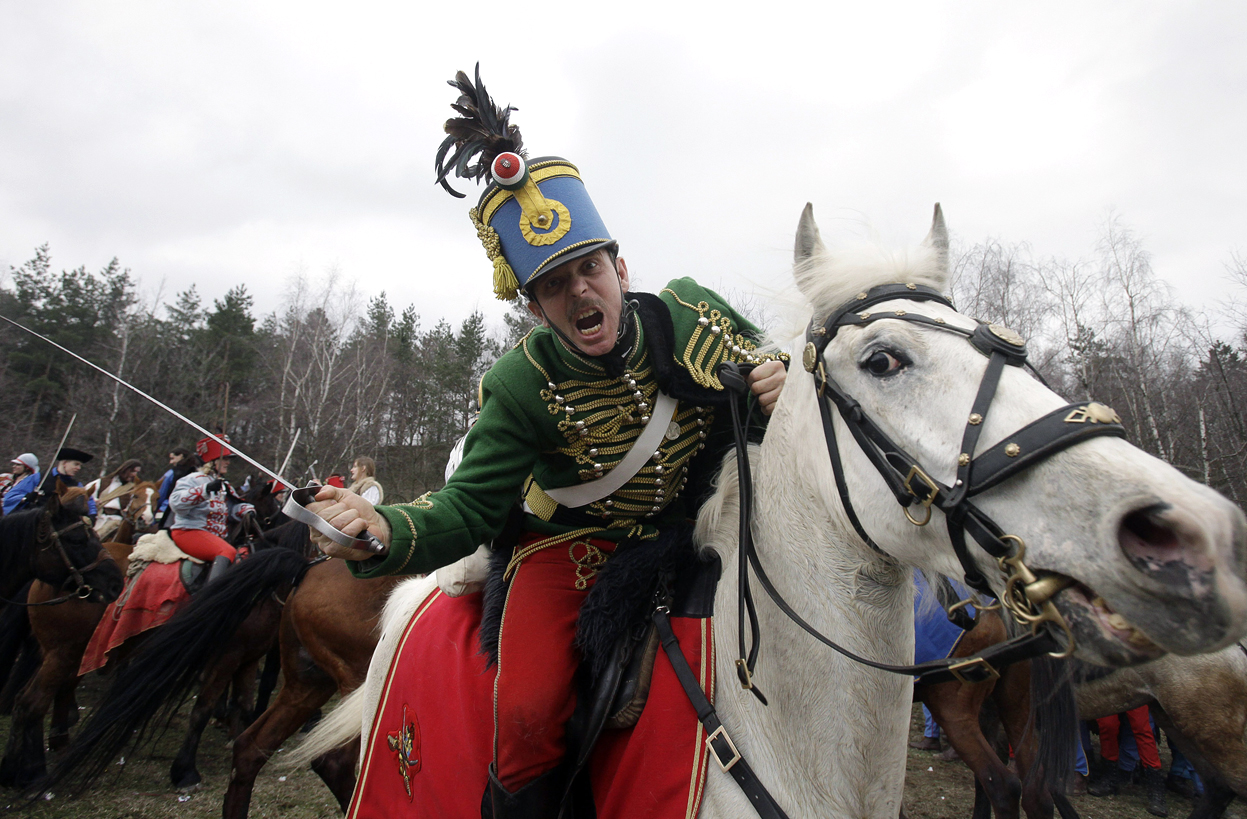
Historical reenactment is a unique way societies engage with history by bringing past events to life through performance and public participation. Rather than simply reading about battles or eras in textbooks, reenactors recreate moments from wars, social movements, and cultural traditions while wearing period clothing and using authentic tools. This immersive approach helps audiences better understand historical contexts and human experiences that shaped the present.
The practice itself has roots reaching back centuries. In early modern England, staged battles were performed for entertainment, and large-scale reenactments were popularized during the nineteenth century amid a romantic enthusiasm for medieval culture. Today in the United States and Europe, Civil War and Napoleonic War reenactments attract thousands of participants and spectators. These events serve as both educational platforms and social gatherings, encouraging communities to preserve local history and honor collective memory.
From an E-E-A-T perspective—Expertise, Experience, Authoritativeness, and Trustworthiness—historical reenactments offer credible insights into the lived conditions of people from earlier periods. By consulting historical records, expert historians, and archival materials, reenactors strive to ensure accuracy in costume, language, and tactics, which enhances public trust and learning. This practice also highlights how interacting with history in dynamic ways can deepen appreciation for cultural heritage and collective remembrance, making history tangible rather than abstract.
Leave a Reply